Cori, GoodTime's AI Agent
Introducing GoodTime's AI agent to the world: positioning, creative direction, and a connected launch that turned a technically complex product into something people understood immediately — a digital teammate that keeps hiring moving.
- Challenge
- Introduce GoodTime's AI agent without making the technology the story, and turn a technically complex product into something recruiters understood right away.
- Outcome
- Cori launched as a character-led teammate across web, paid social, email, and motion. She went on to open the Moment 2026 keynote and became the face of the GoodTime platform.
In 2026, GoodTime moved beyond software that helps talent teams coordinate interviews to an AI agent that does the work itself. Her name is Cori.
As Senior Creative Director, I led the launch’s creative and narrative development. The challenge was introducing an AI agent without making the technology the story. Starting in March, I drove the conversations across Marketing, Product, and leadership, and the breakthrough was dropping AI terminology altogether. Cori wasn’t another piece of software to babysit, but a teammate who takes action.
Hiring creates endless coordination. Cori handles it, so recruiters spend less time on logistics and more time moving hiring forward.
She isn’t another system your team has to manage. She’s a teammate who takes action.
Character development
Personality created affinity. Capability created credibility.
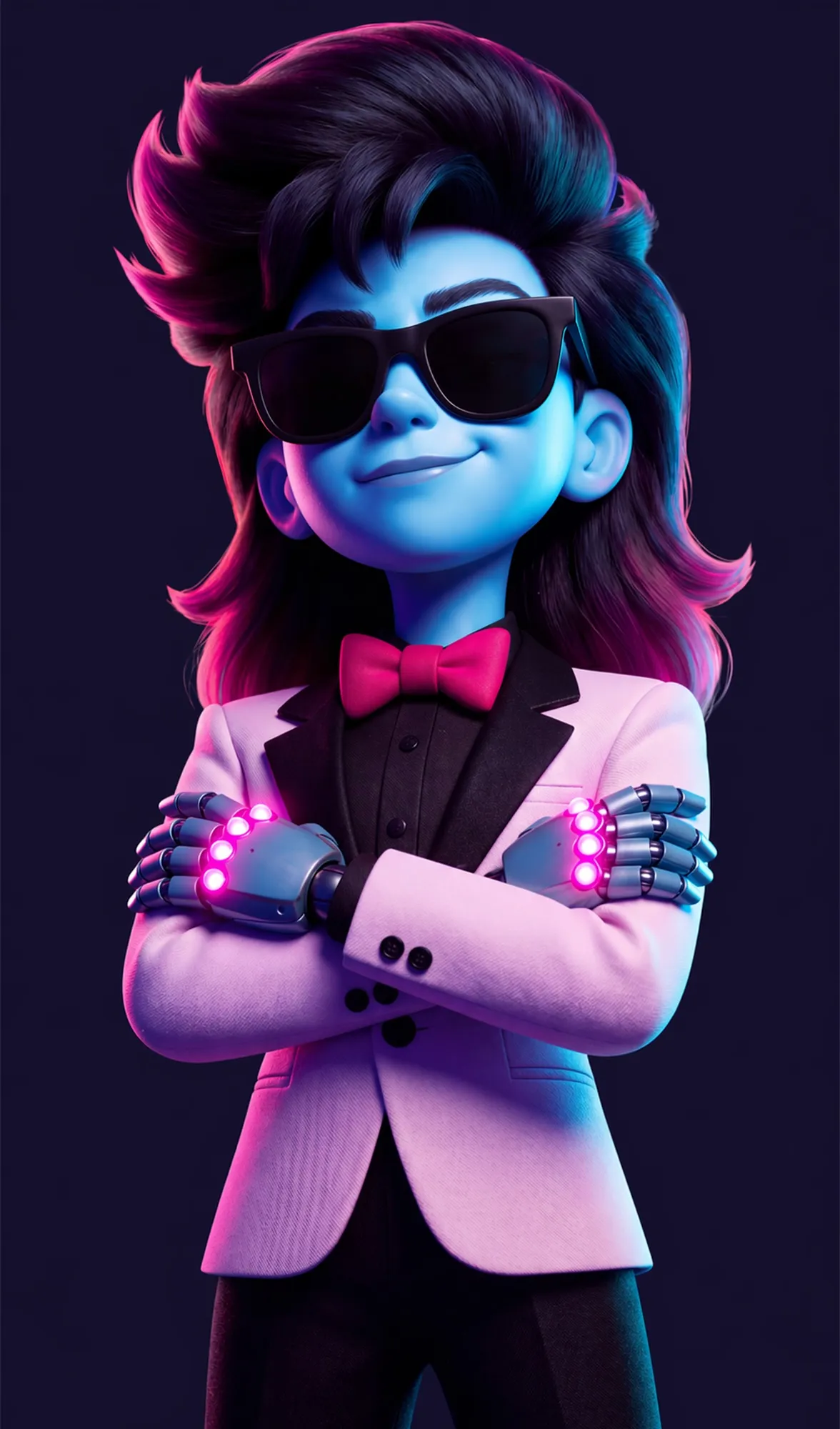
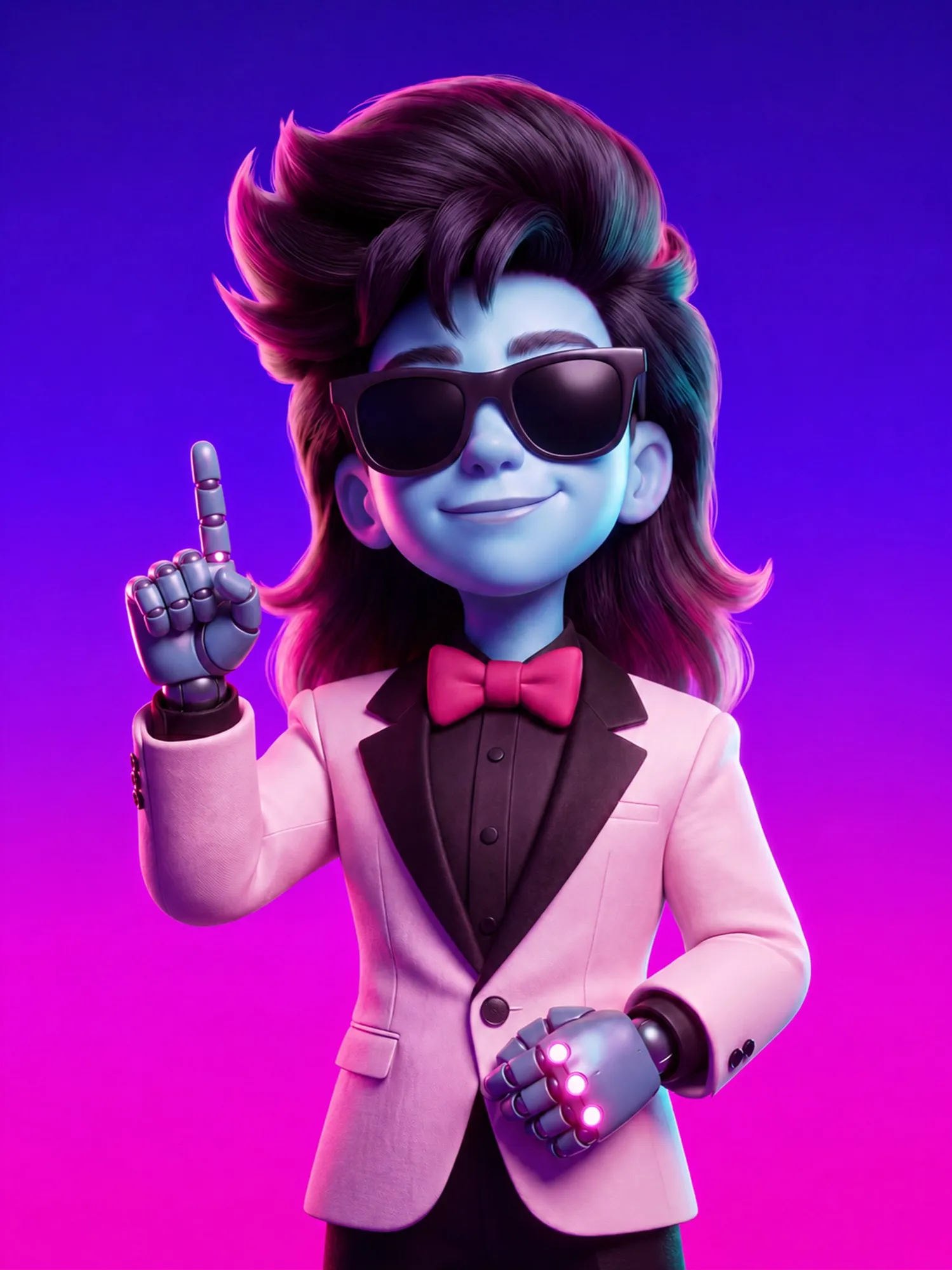
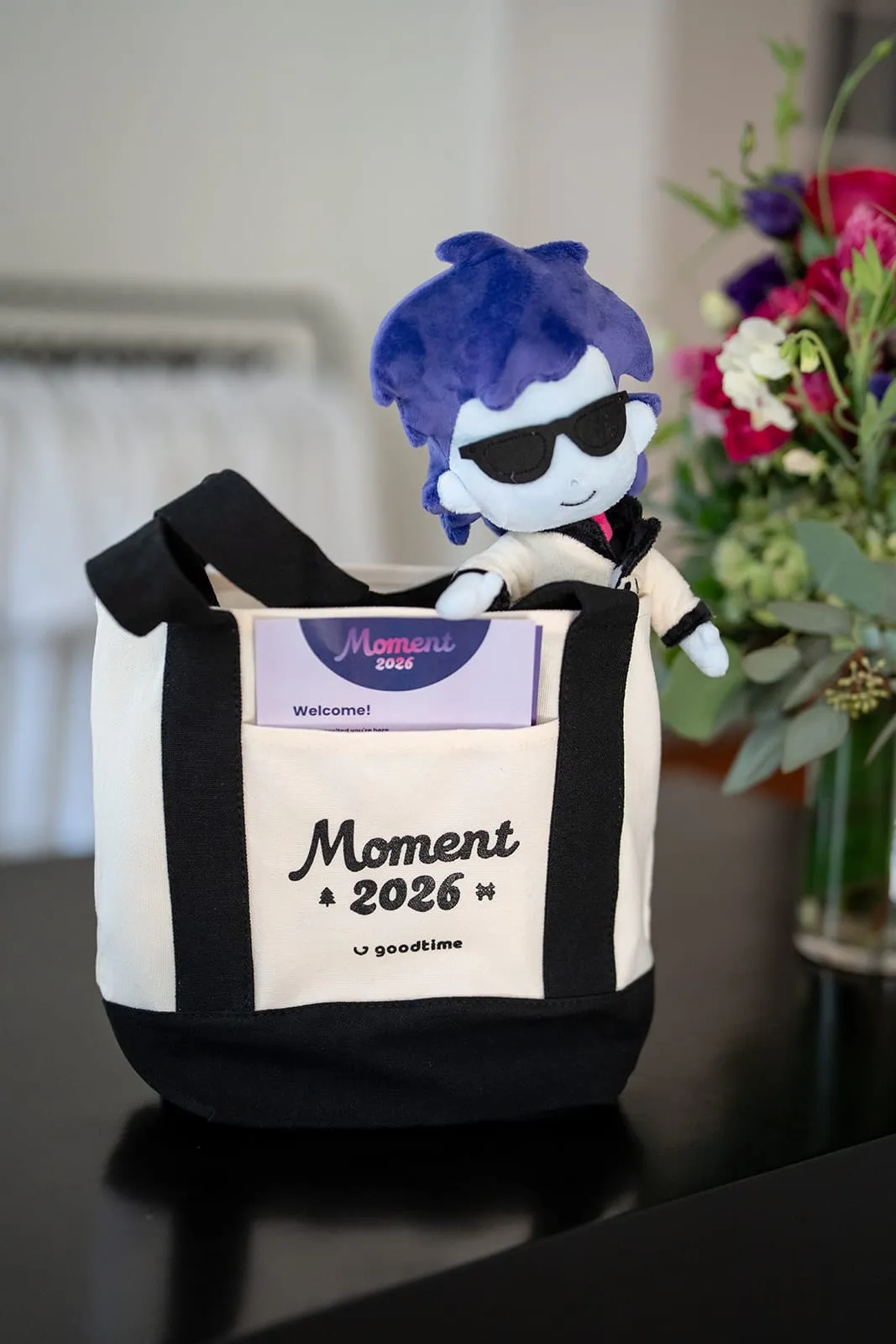
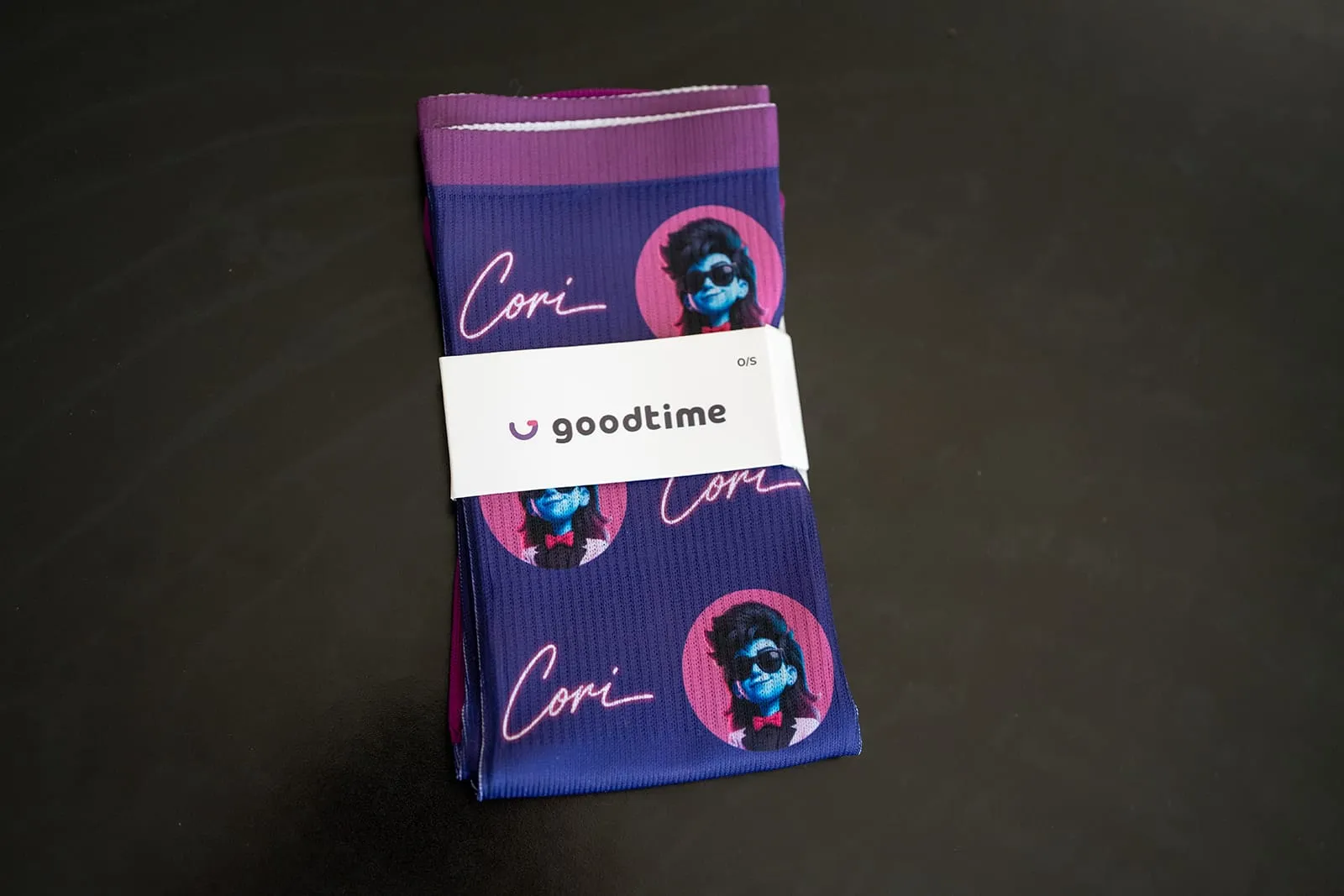
A teammate needs a personality. AI can feel cold, so Cori had to be the opposite: fun, approachable, and able to leave the screen for the stage, plushies, and swag. Every expression points back to something she can actually do.
She started as an orchestra, a play on orchestration. Early AI-generated concepts cast her as a neon musician, but they read as spectacle rather than a teammate.
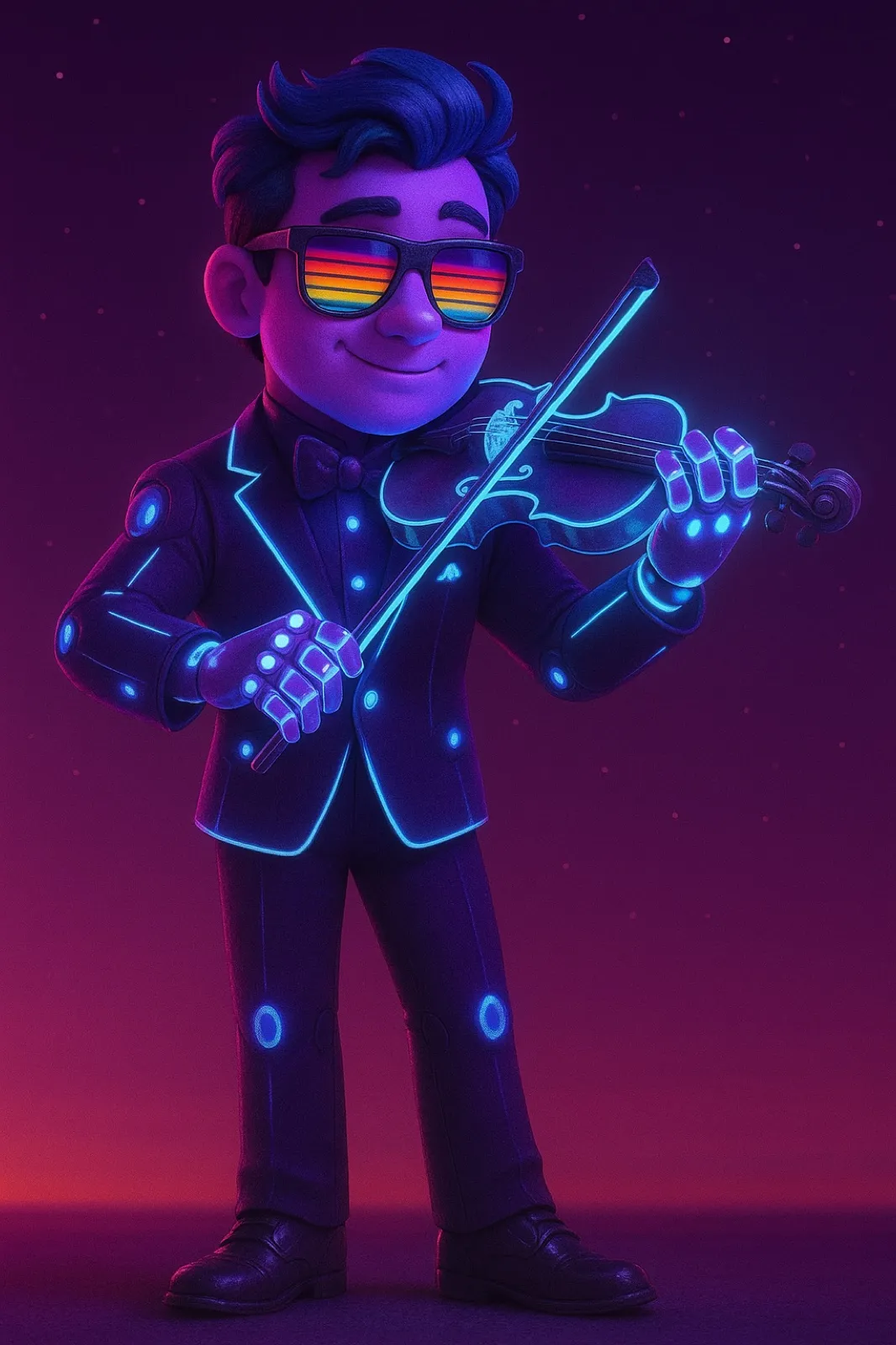
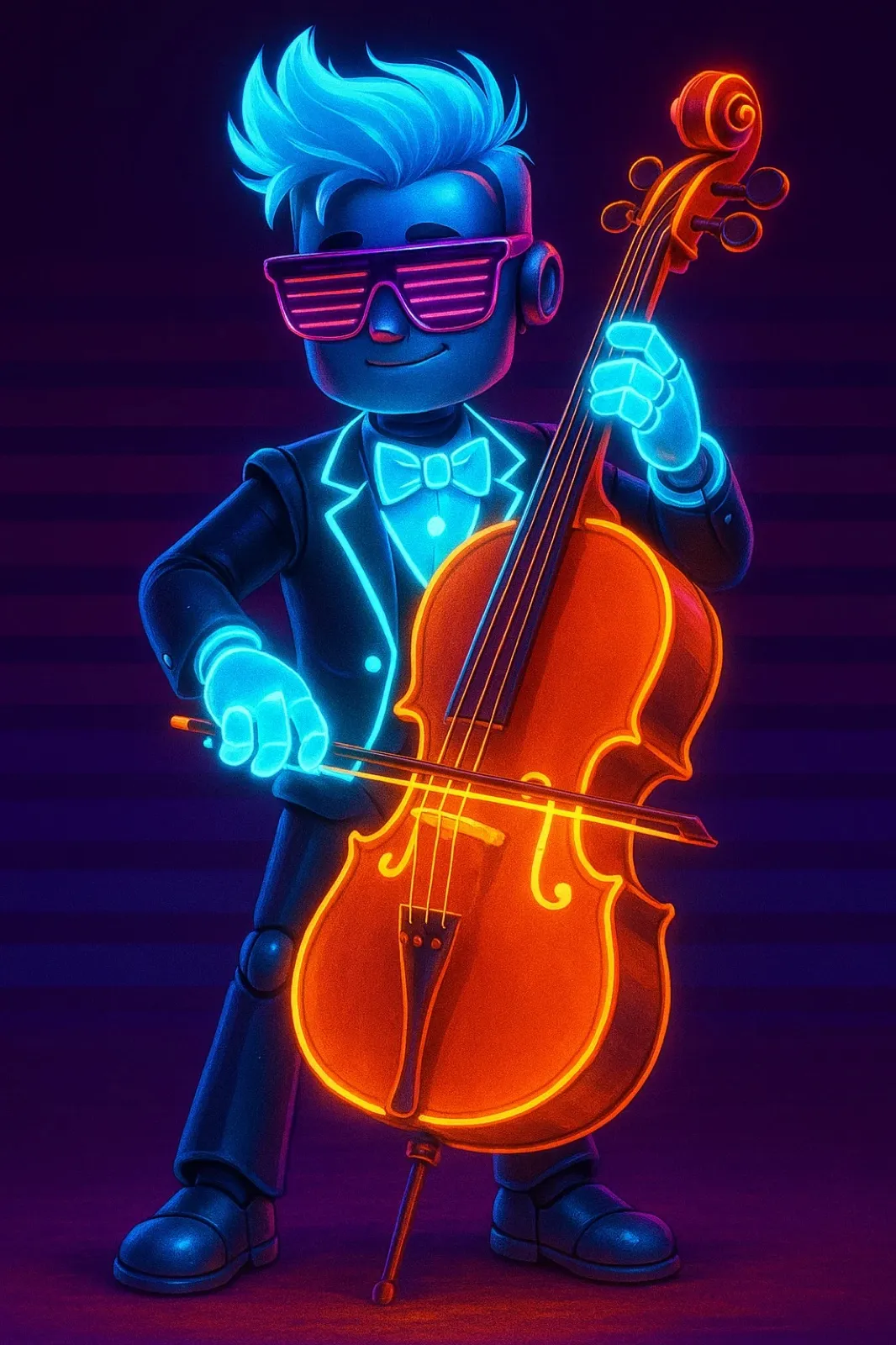
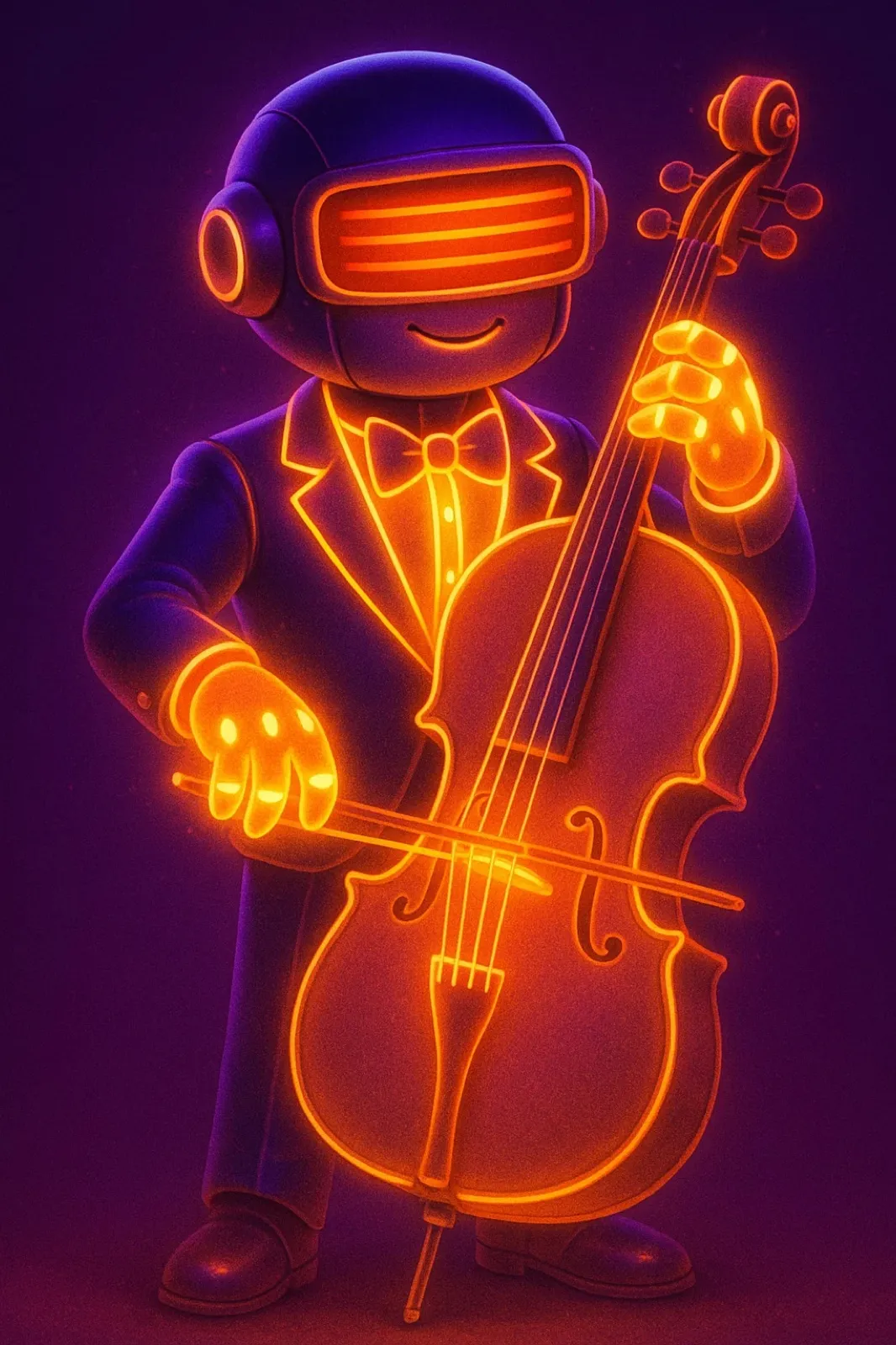


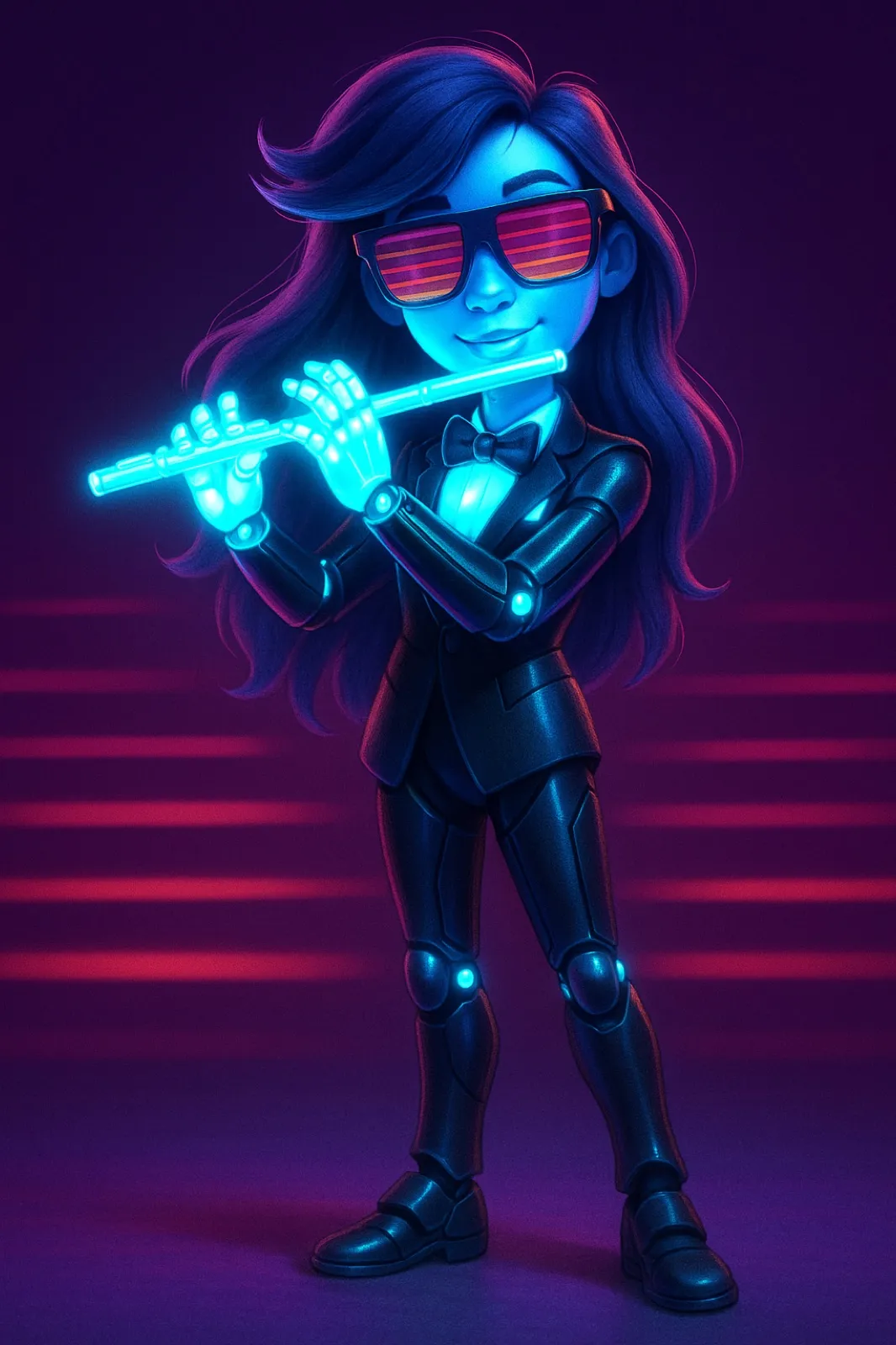
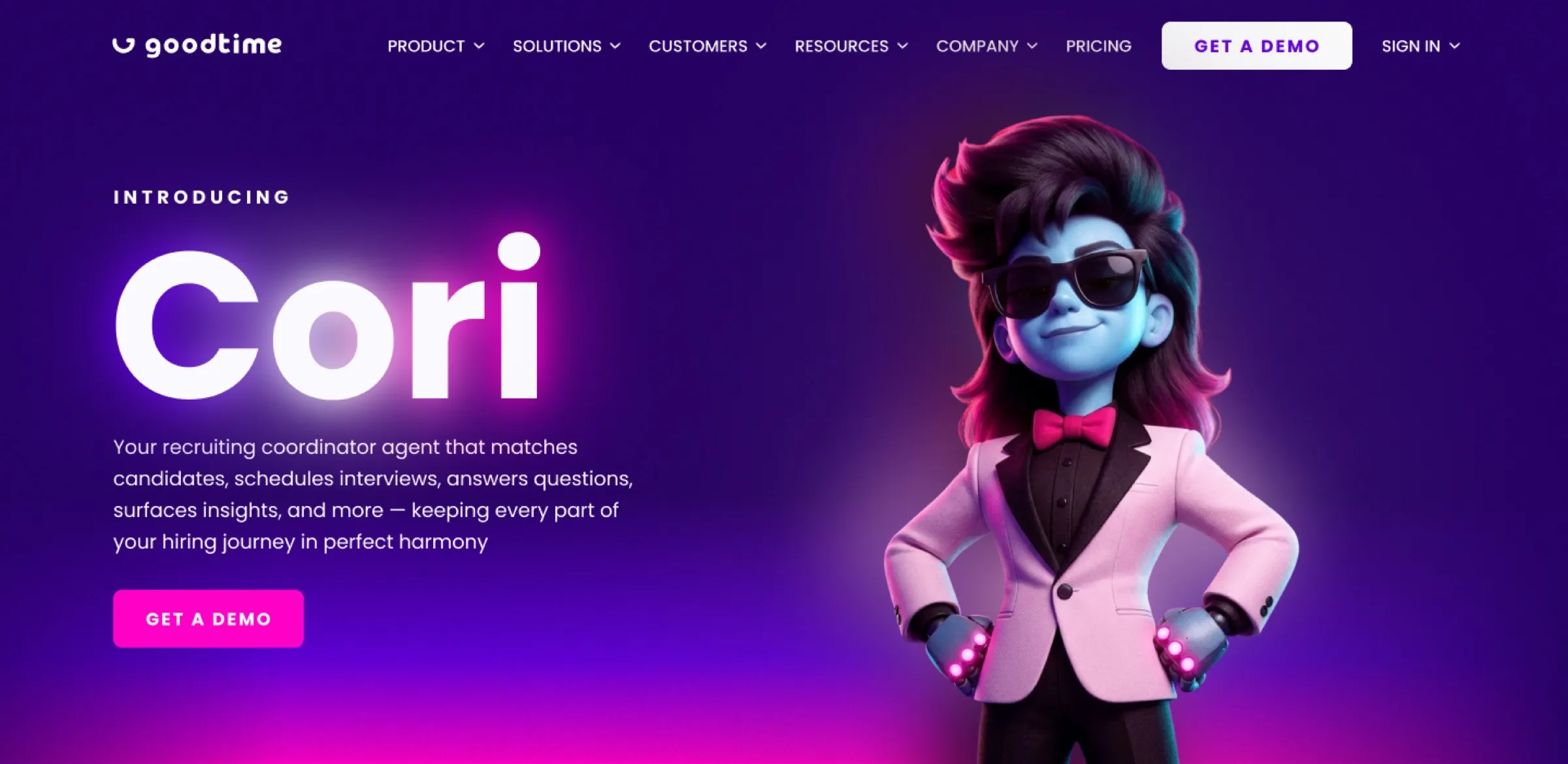
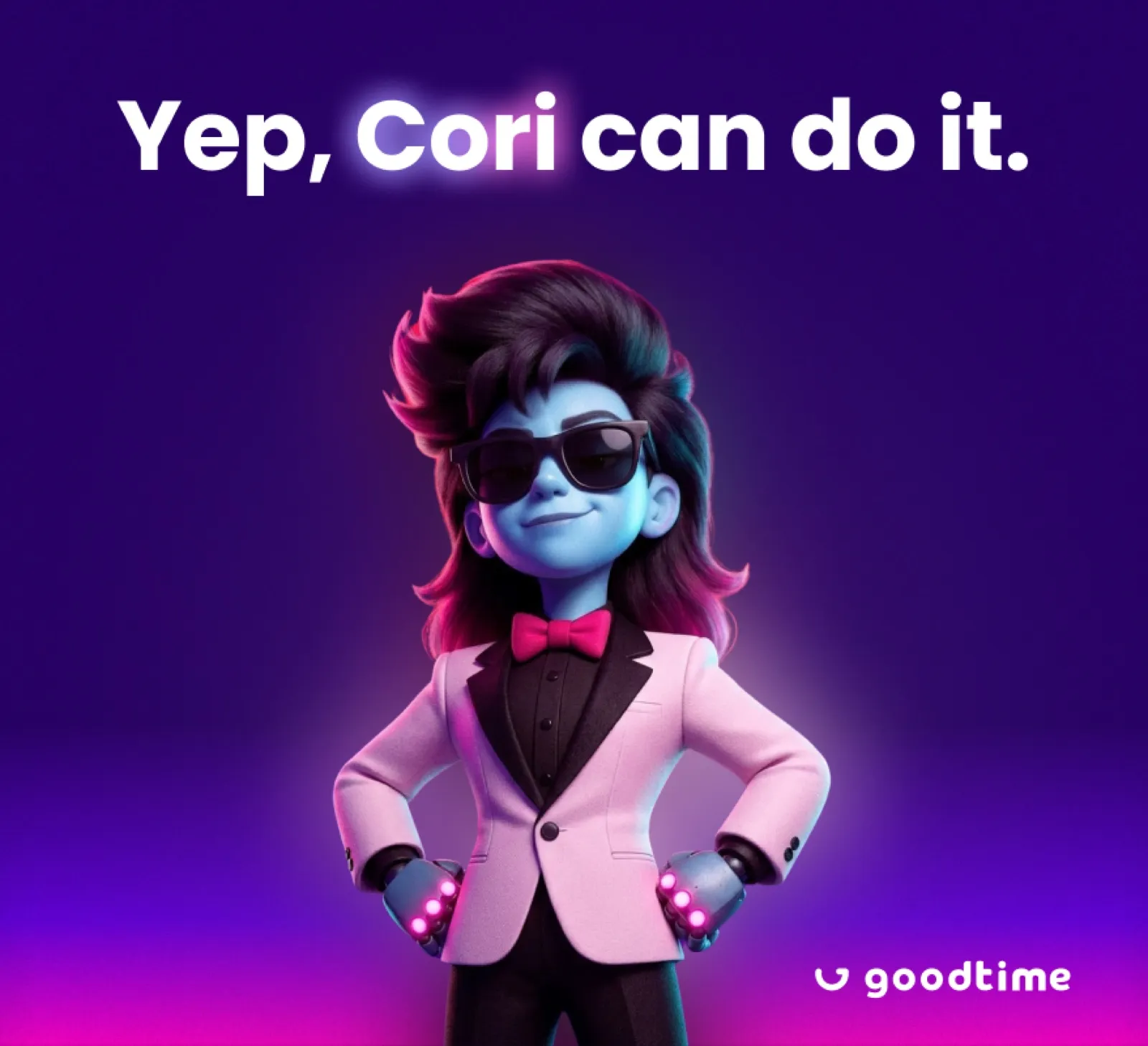
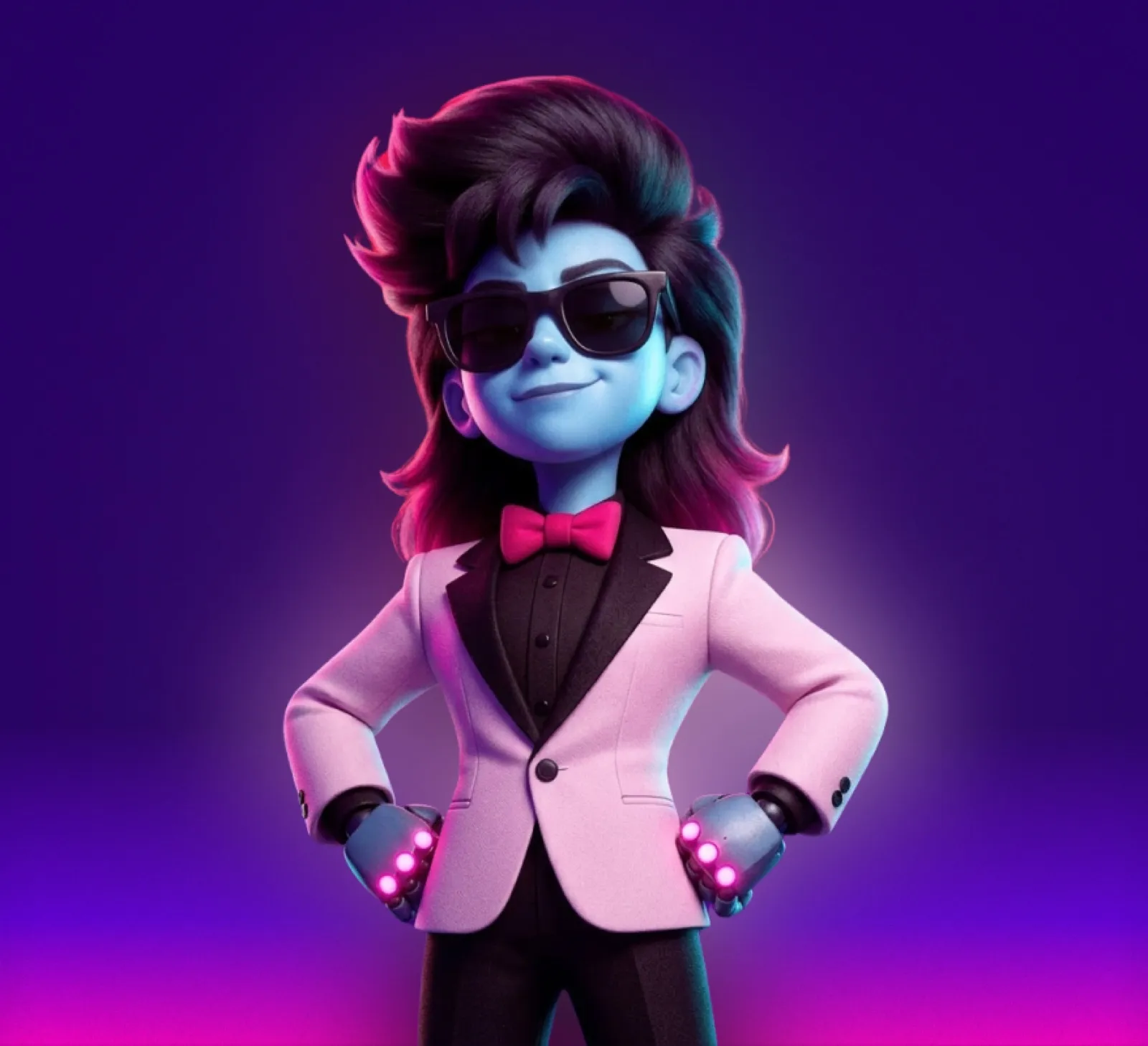
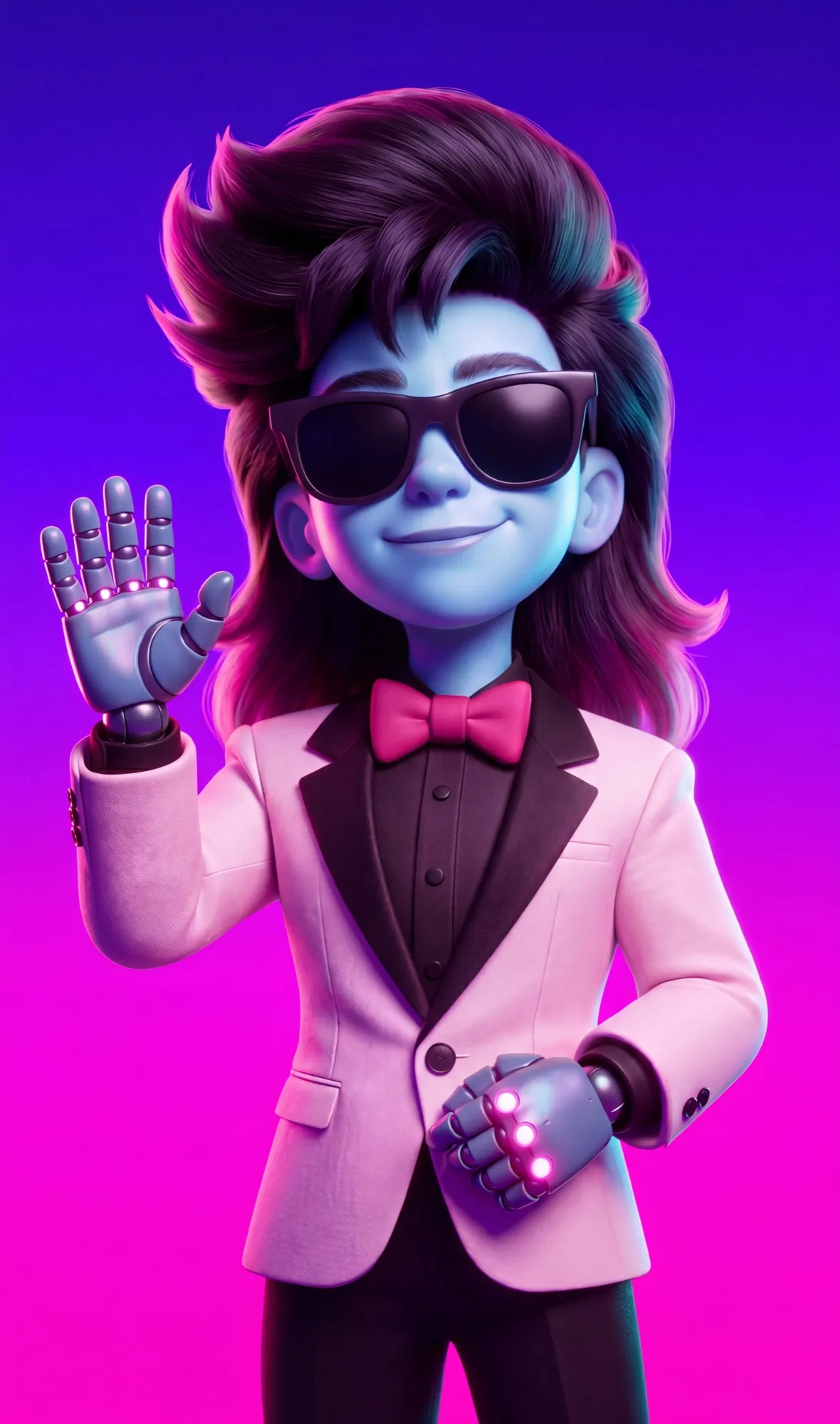
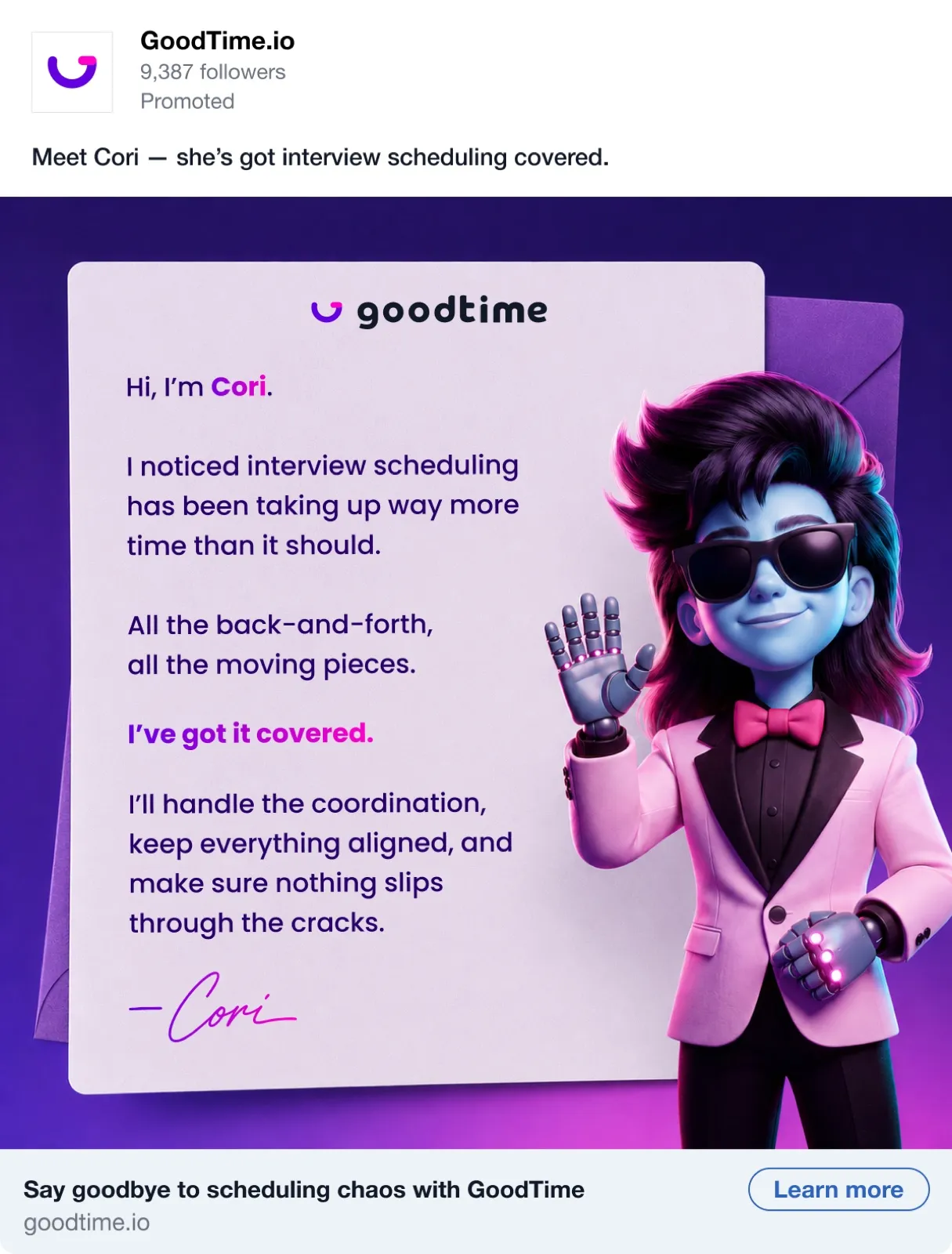
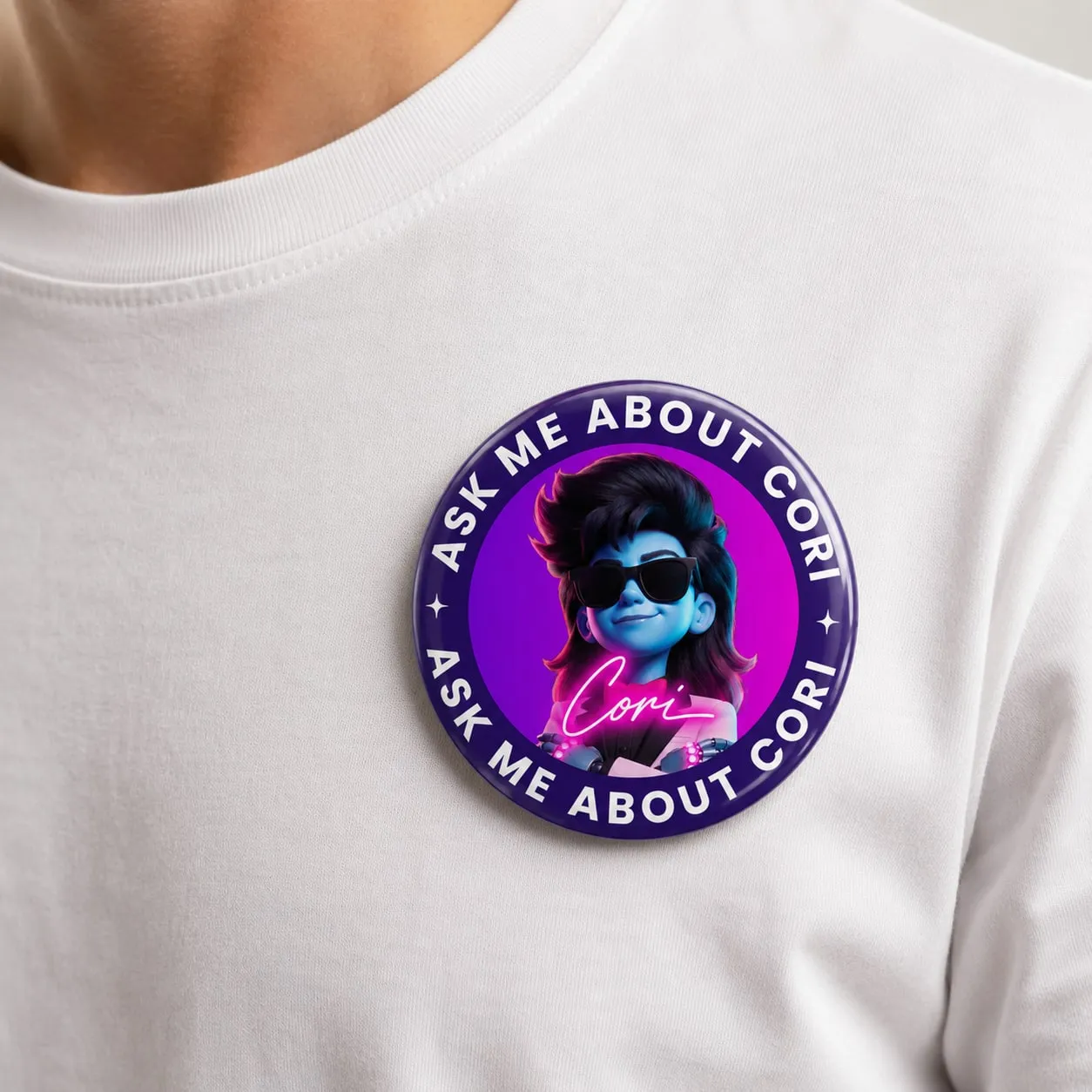
Round by round, I pushed the character somewhere warmer and more human, and above all, unmistakably GoodTime. I wanted Cori (short for Coordinator) to feel like a natural extension of the brand, not a separate mascot, so she got an ’80s flair that gives her the same cool factor as GoodTime itself: a big swept-back mane, sunglasses, a pink tuxedo jacket, purple and magenta light, and robotic hands that glow at the fingertips. A conductor’s baton kept a nod to the orchestra idea before the look settled into the confident, approachable Cori that shipped.
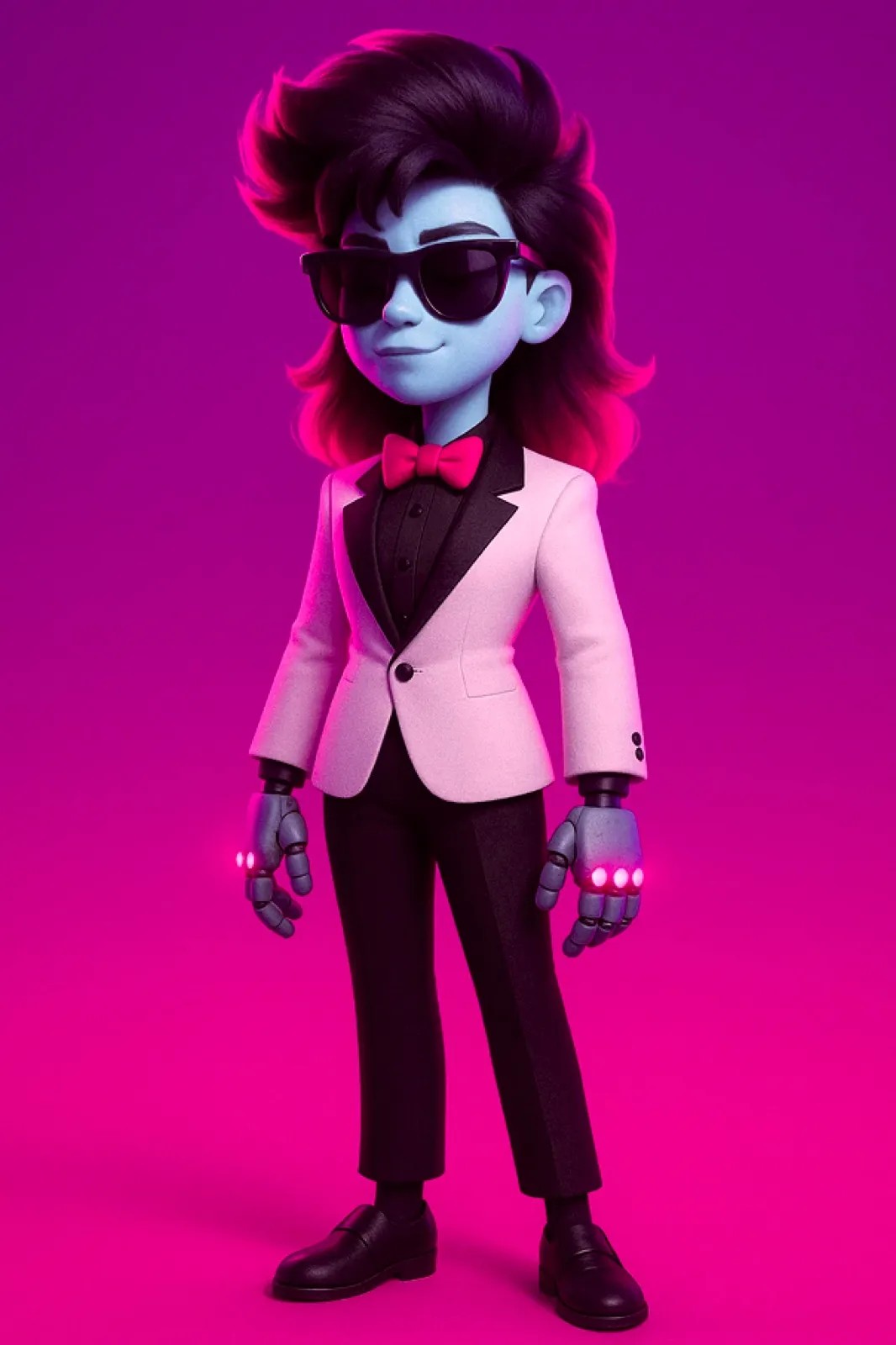
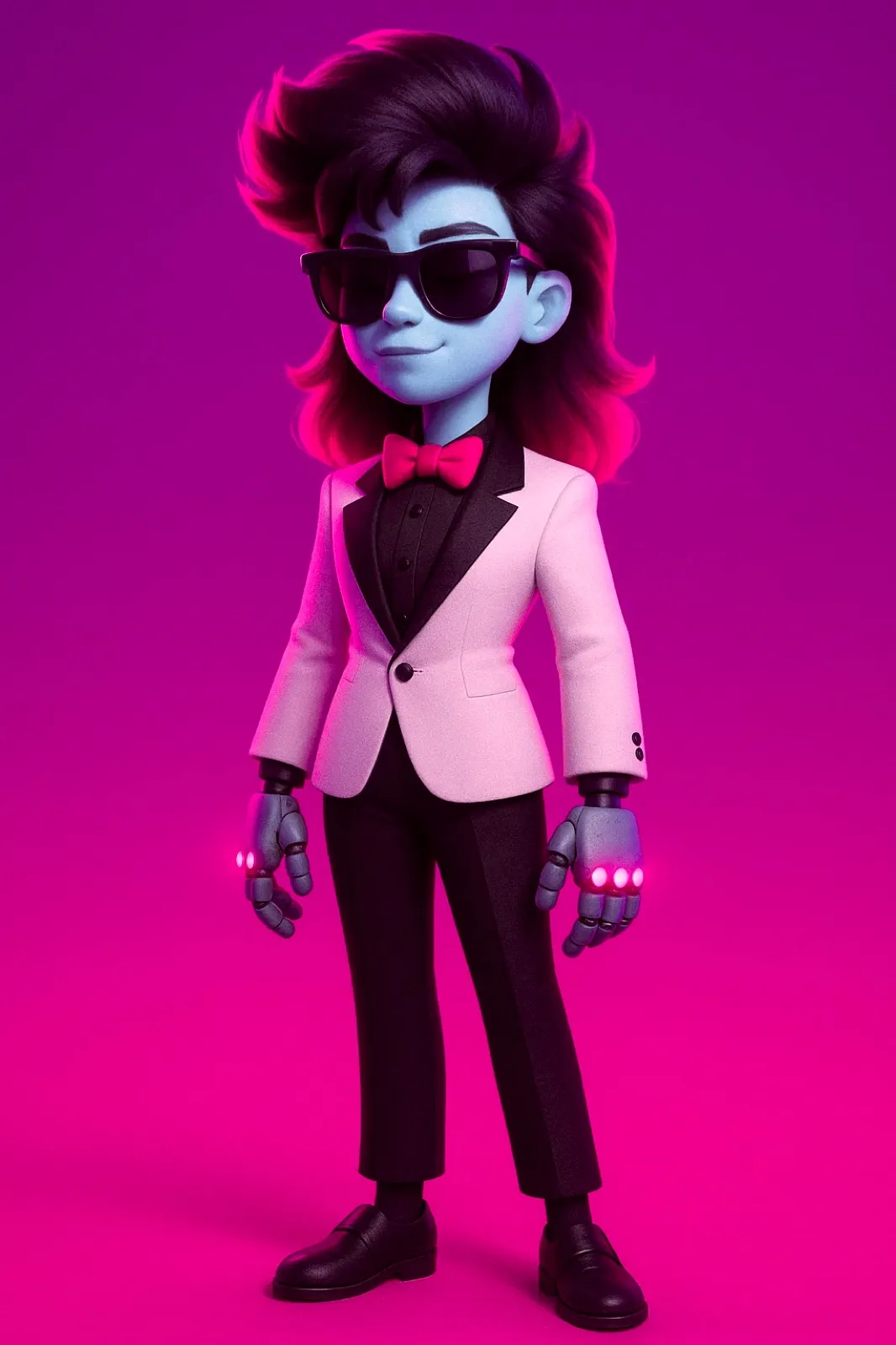
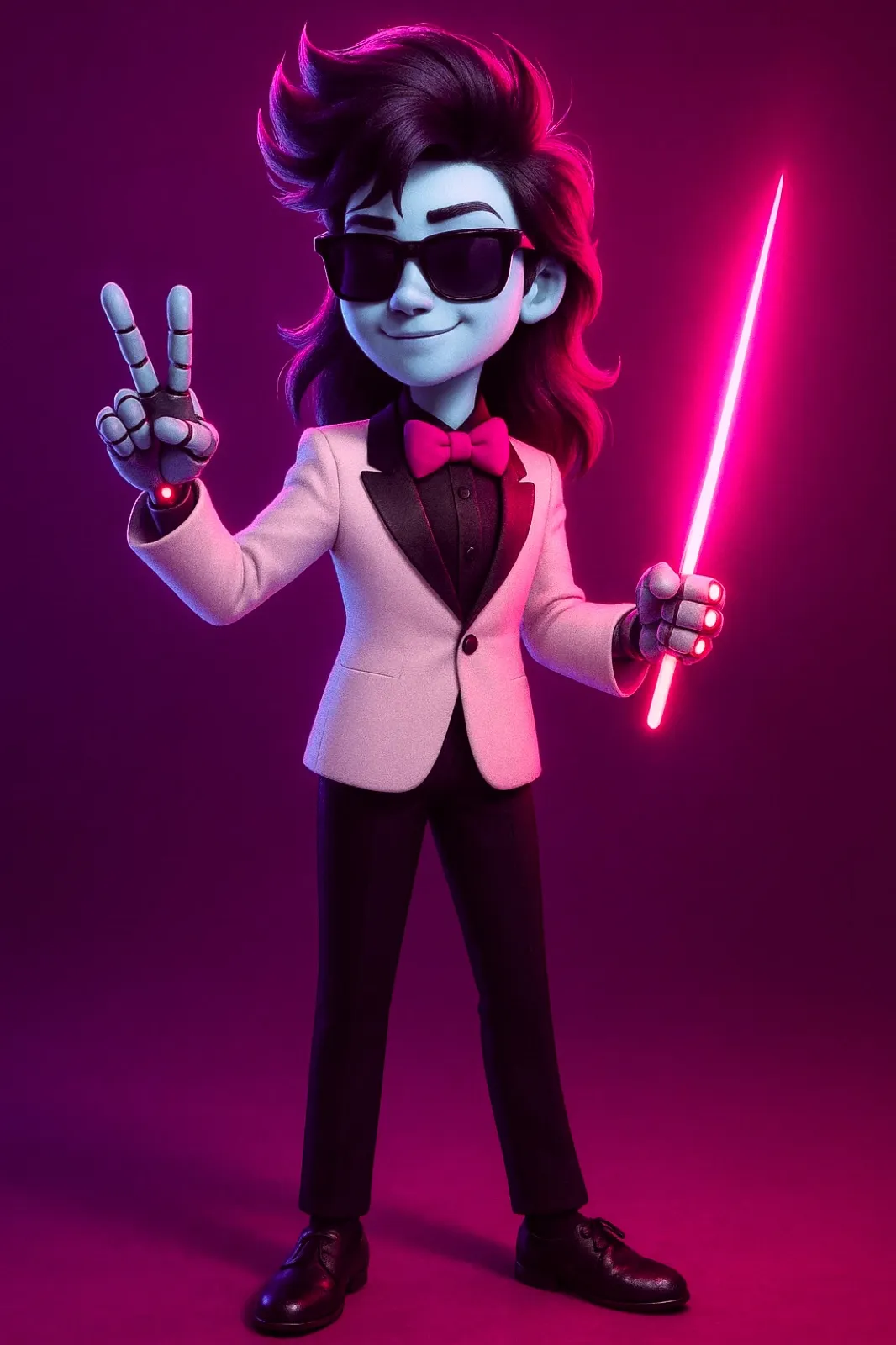
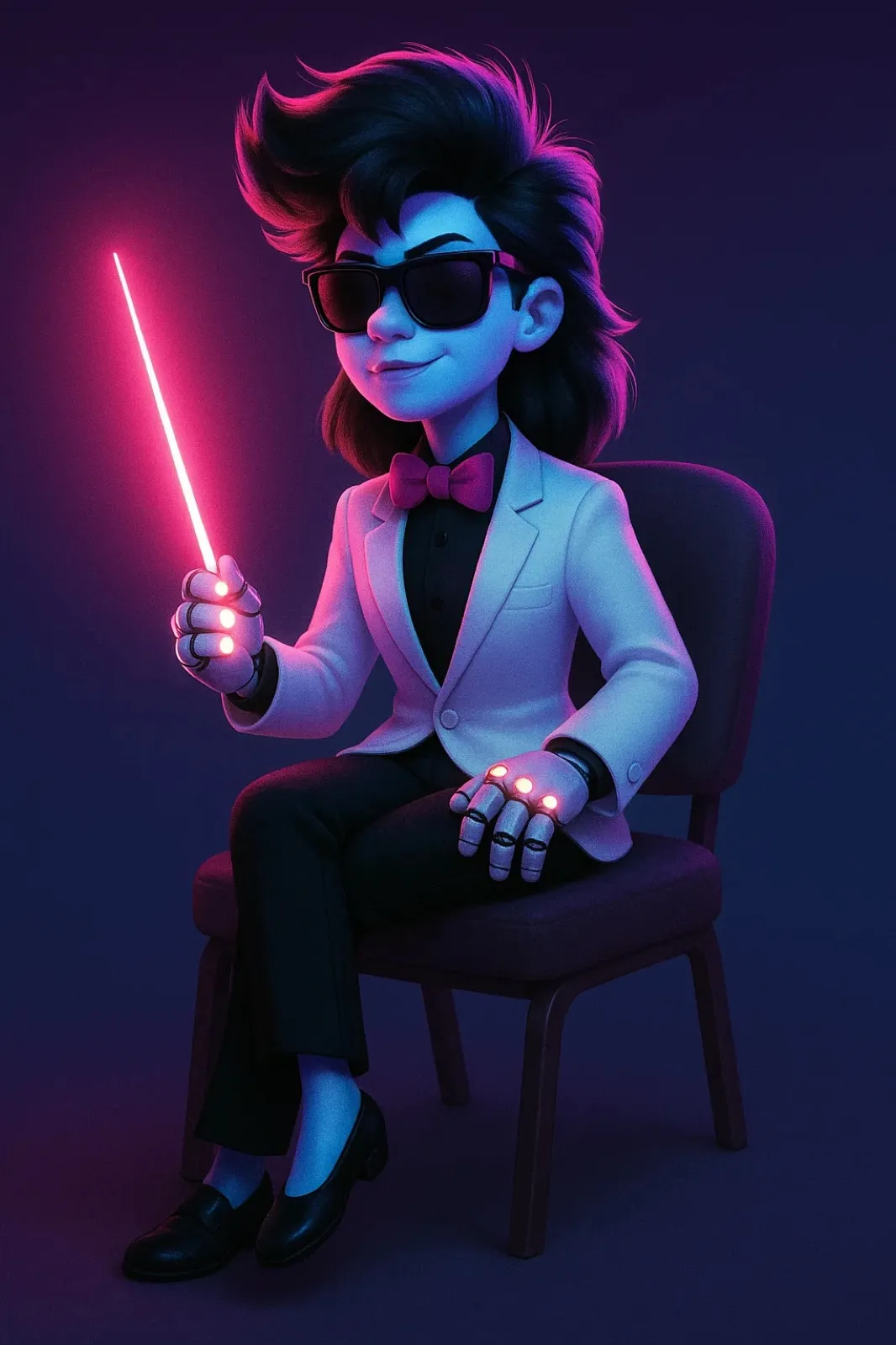
Once the look landed, it went straight into early launch concepts for the web and social.
Web
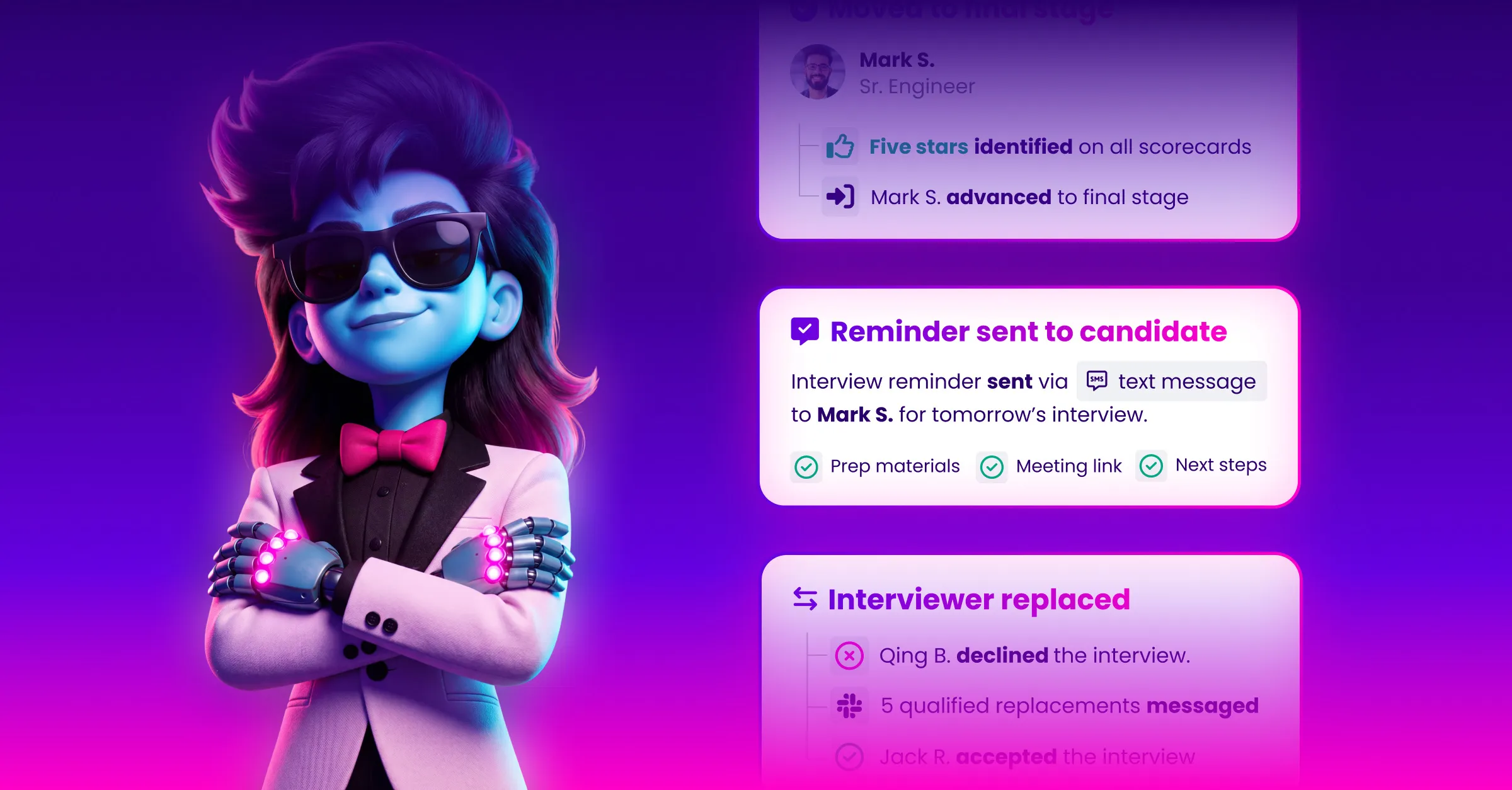
Cori took over the homepage and got a dedicated page within GoodTime Hire, framed as an evolution of the platform rather than a product bolted onto it.


Campaign
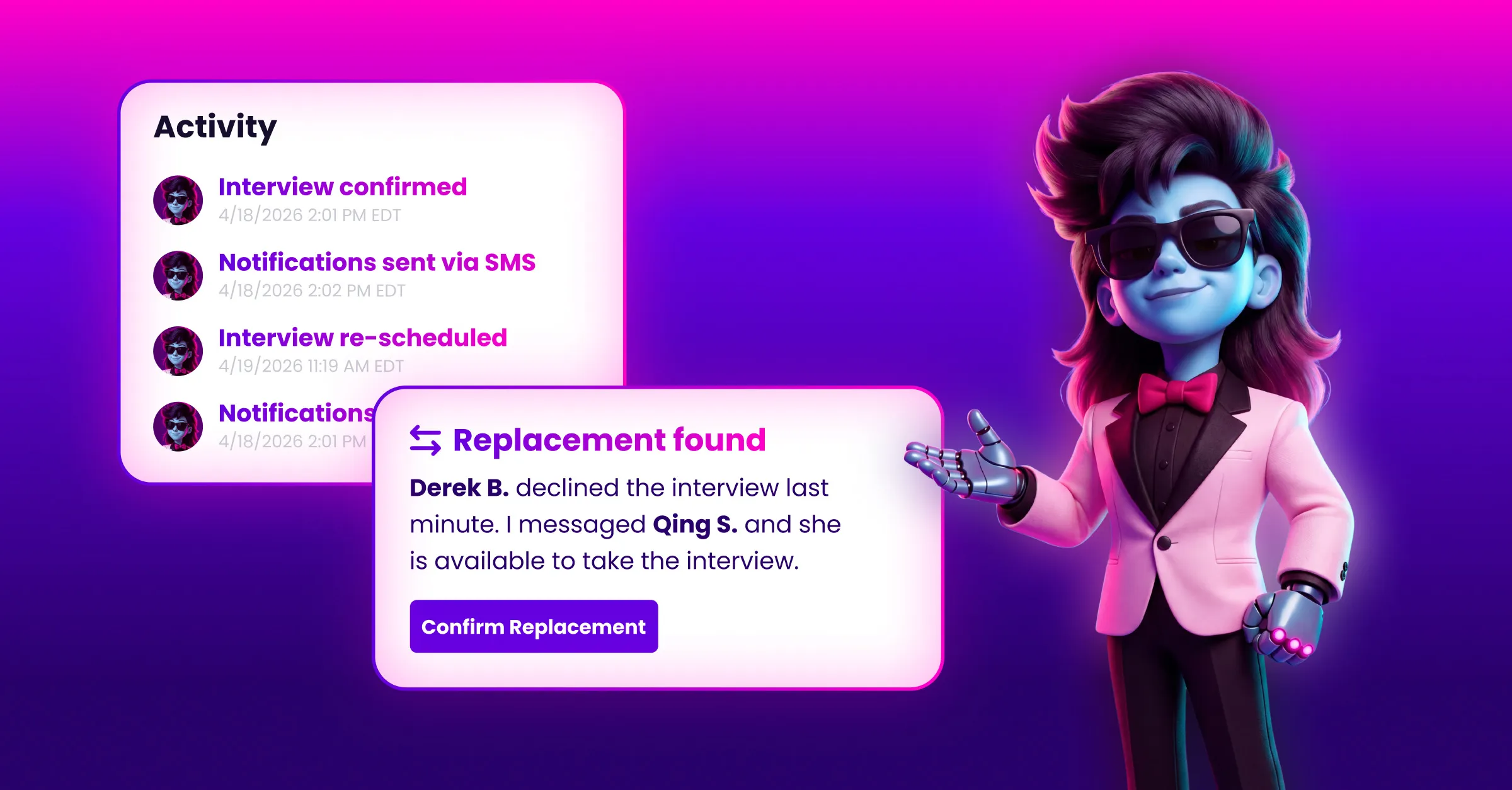
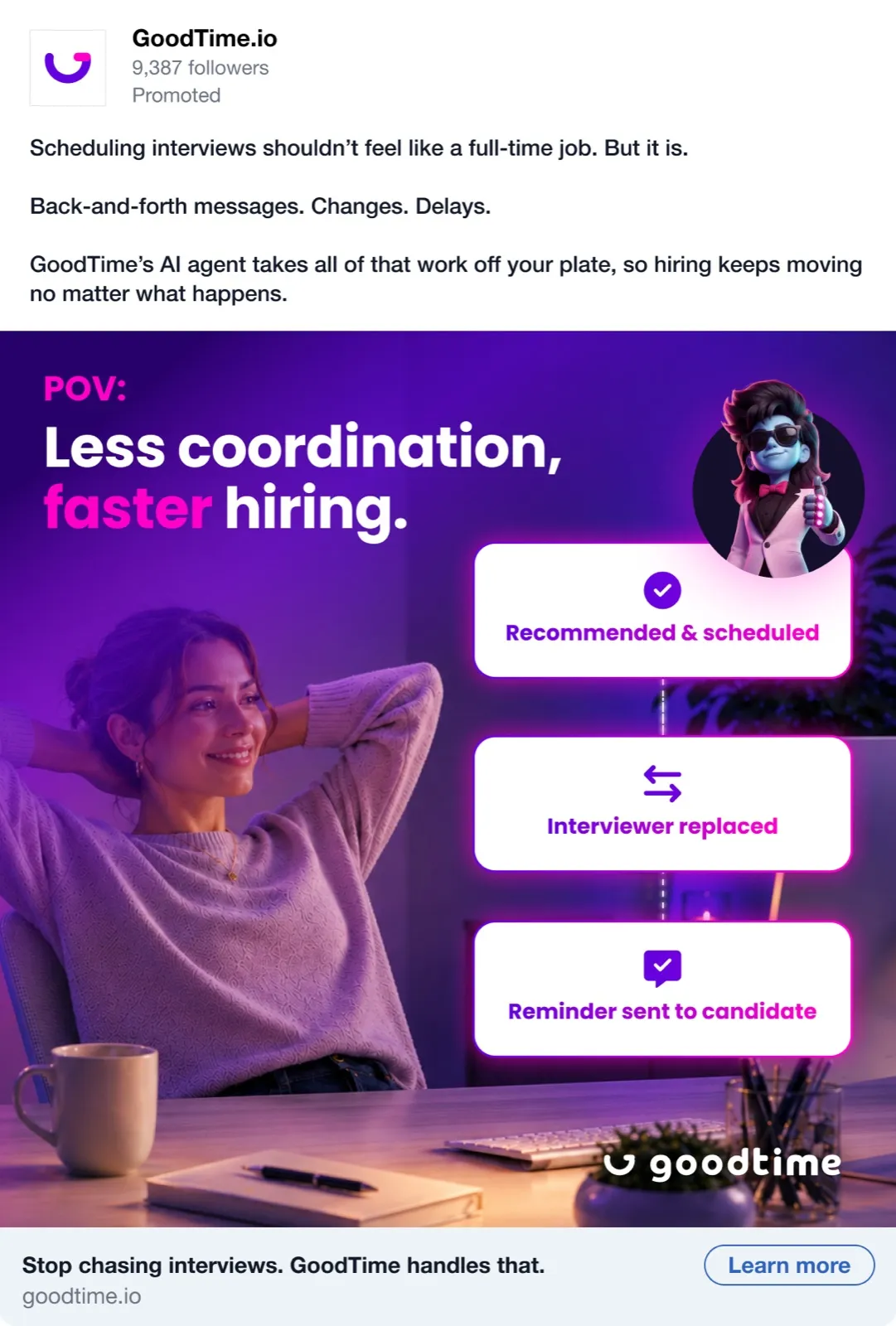
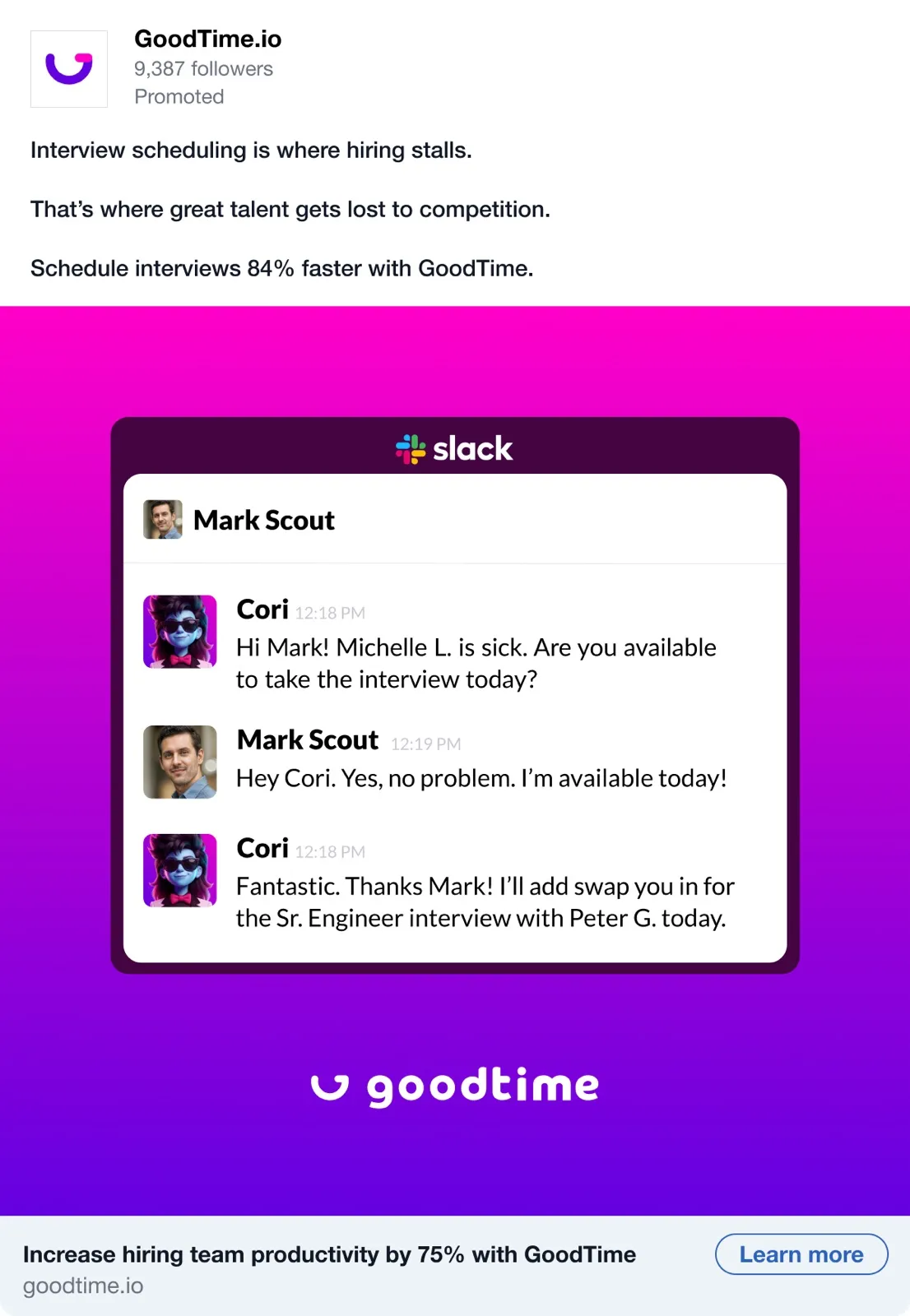
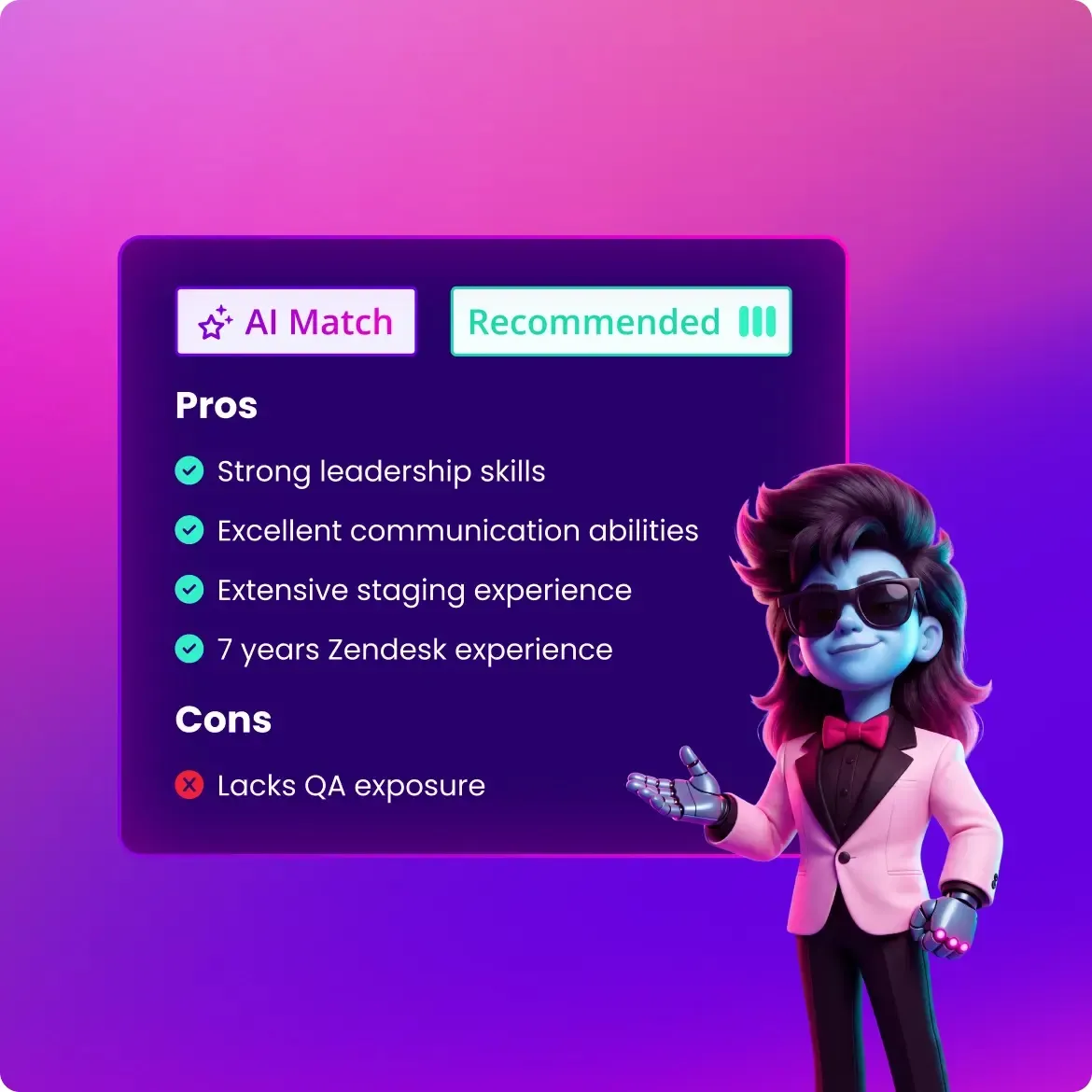
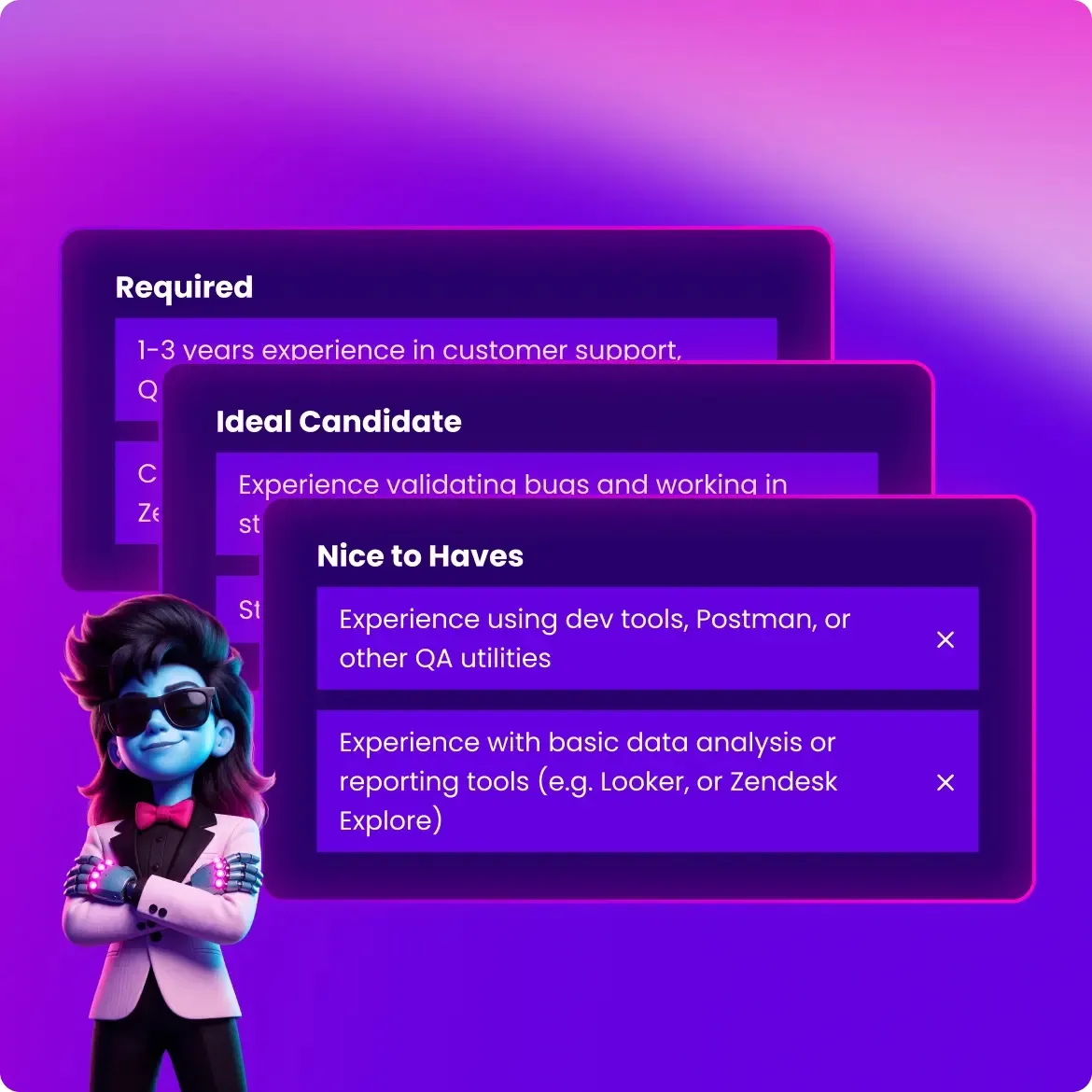
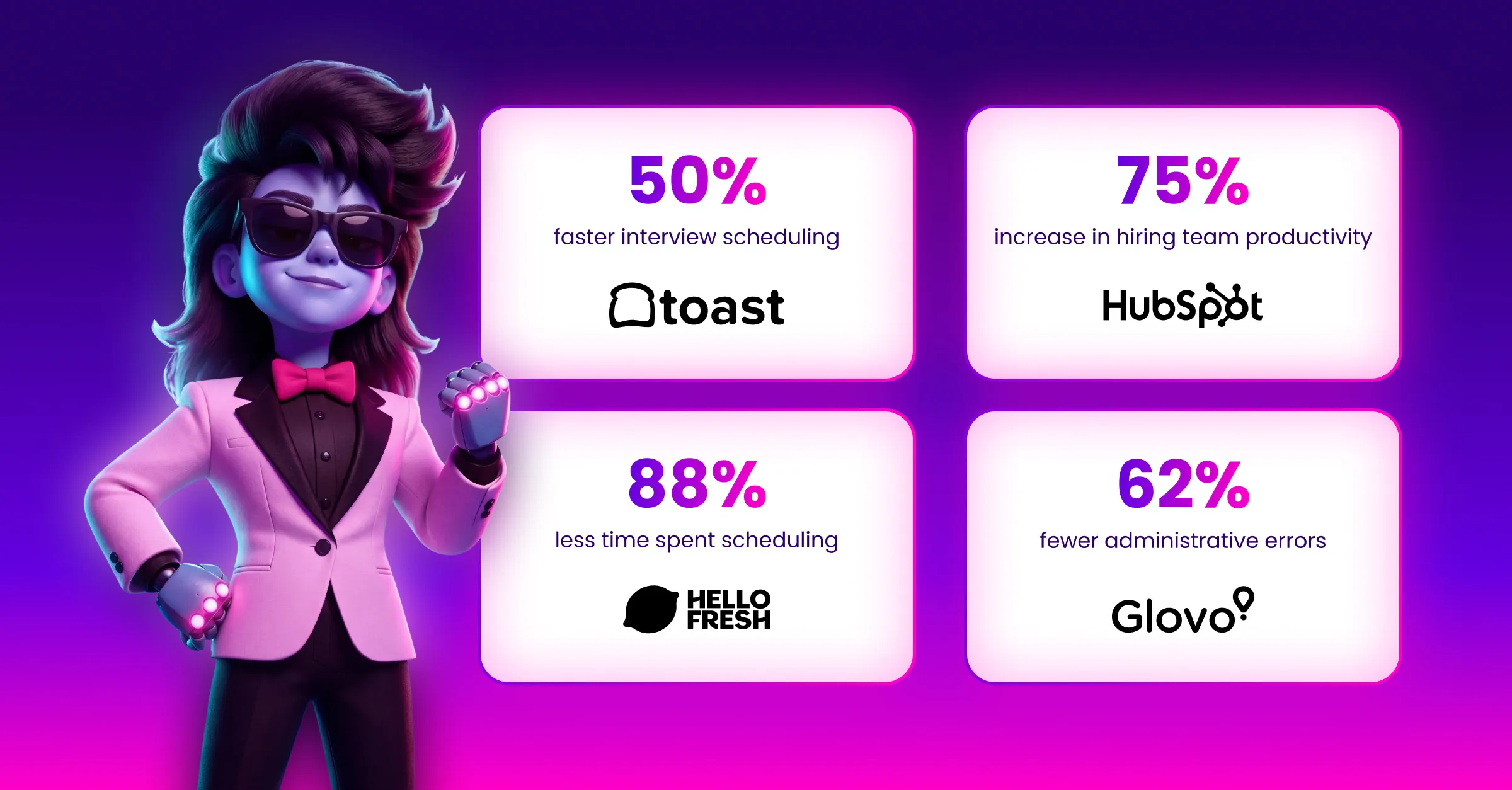
Paid social, organic, and lifecycle email all had one job: show the work Cori takes off the team’s plate. Instead of generic “AI is changing recruiting” creative, we showed moments recruiters recognize instantly. A declined interviewer gets replaced. A candidate gets a follow-up. The process keeps moving.
Motion
Cori is about action, and motion let us show what she does, not just what she looks like, giving an otherwise invisible AI system a visual language.
To get there, I used Kling.ai to bring our still graphics to life. Starting from the character renders and campaign scenes we’d already designed, I directed each clip with prompts for movement, camera, and lighting, then refined and cut the results into launch-ready motion: Cori waving hello, stepping out of the dark, connecting candidates and interviewers, and working alongside a recruiting team.
It turned a set of static assets into a library of on-brand motion, and kept every frame true to the stills Cori was built from.
Beyond launch
From product launch to platform story.
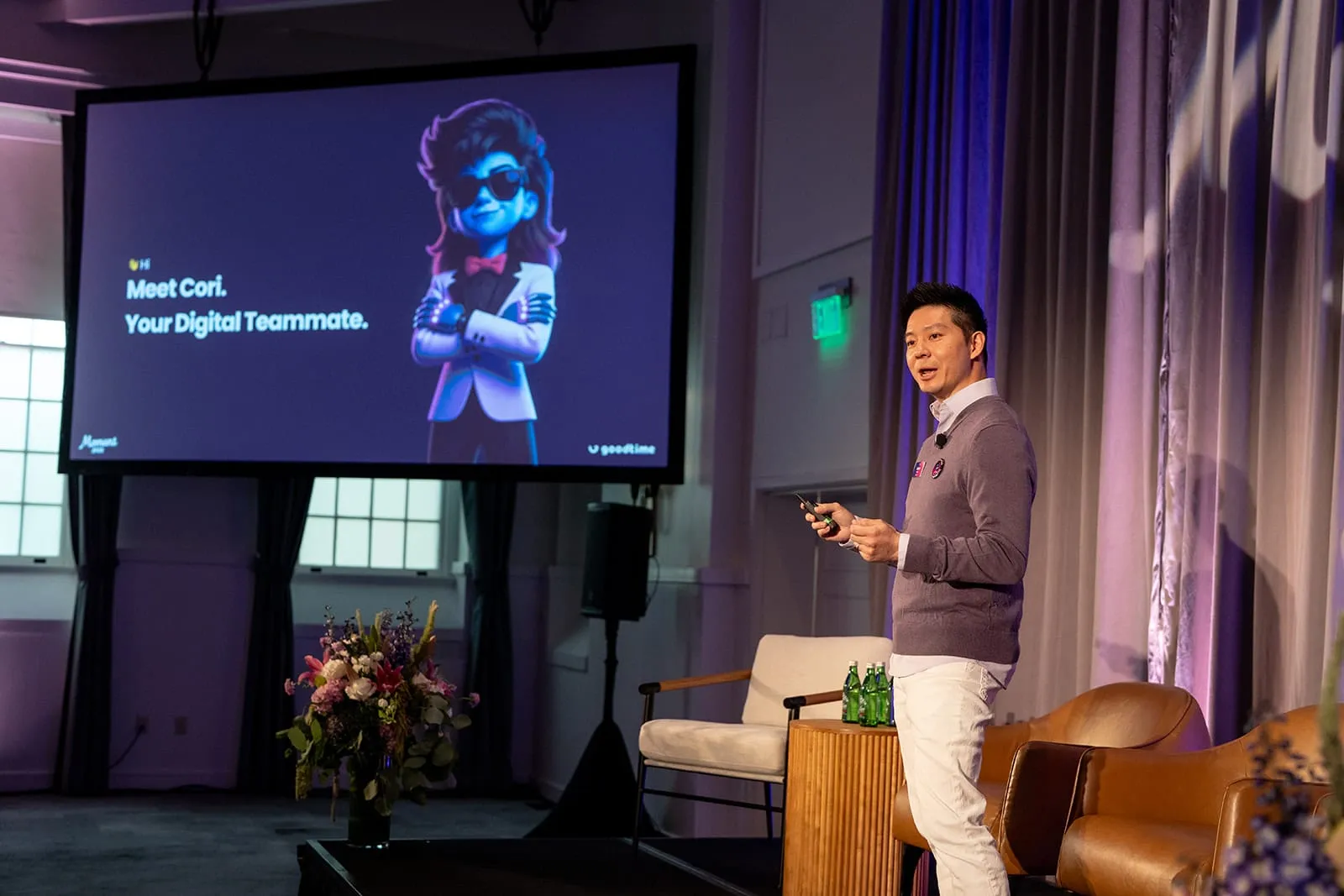
Cori quickly became more than a campaign. At Moment 2026, GoodTime’s first major customer event, she opened the keynote as the clearest expression of a new way to work, with intelligent systems working alongside people.
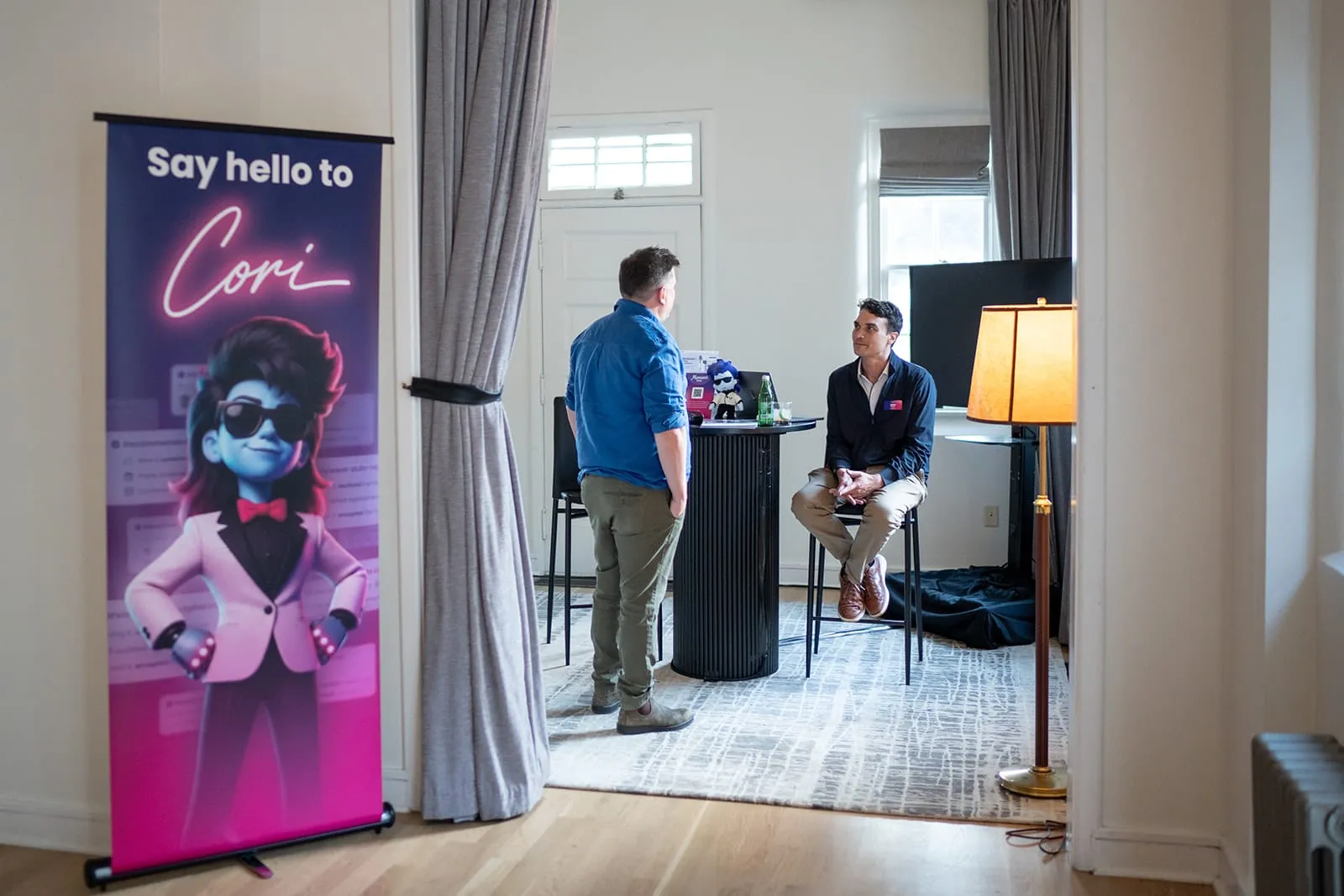
She showed up off the stage too, as a demo station, a doll in every arrival tote, and swag guests actually wanted to take home.
The launch also taught us something. Some recruiting coordinators read early messaging about coordination slowing hiring down as criticism of their work, not of the burden around it. That reinforced a principle for how we talk about AI: automation should elevate the person, not diminish the role.
A distinct character made an unfamiliar agent understandable at launch. Once the idea landed, Cori became less a standalone marketing concept and more the intelligence inside the whole GoodTime experience. That was the sign the launch had done its job.